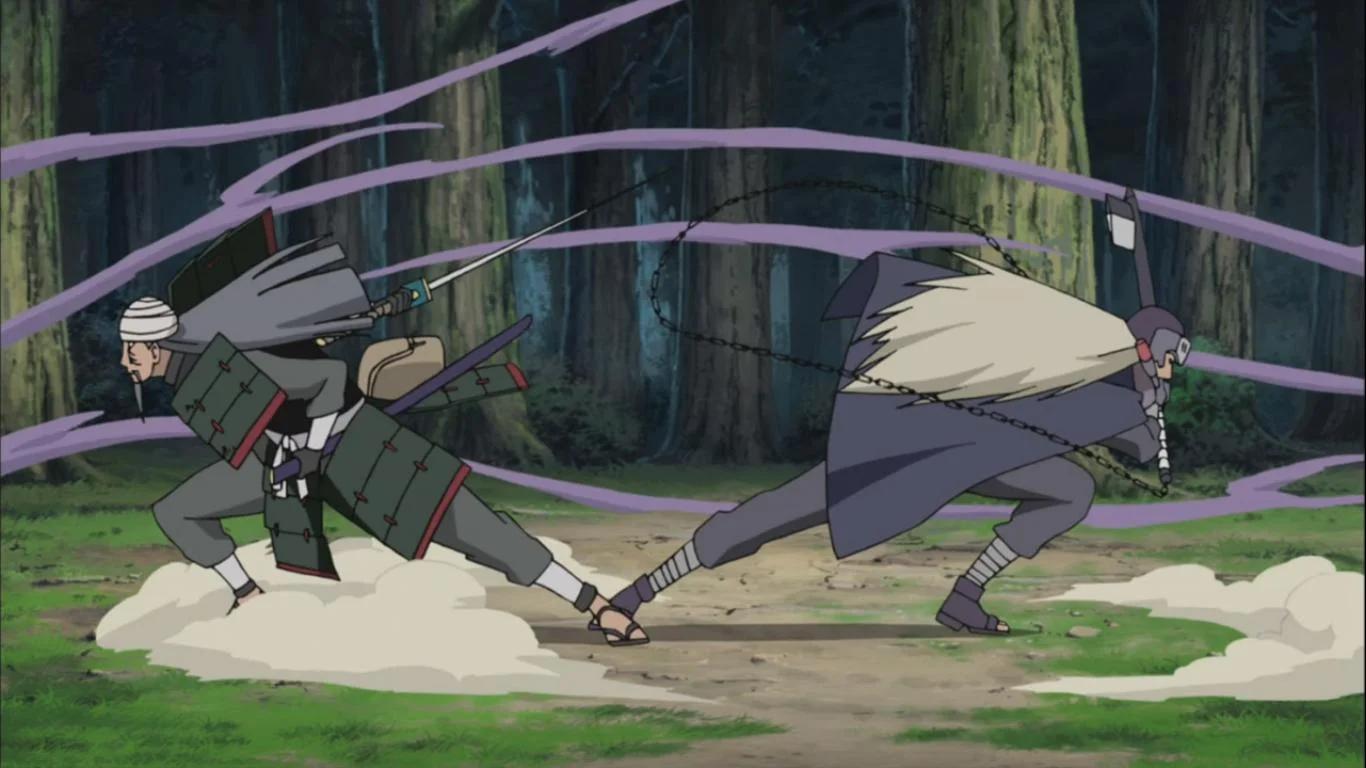
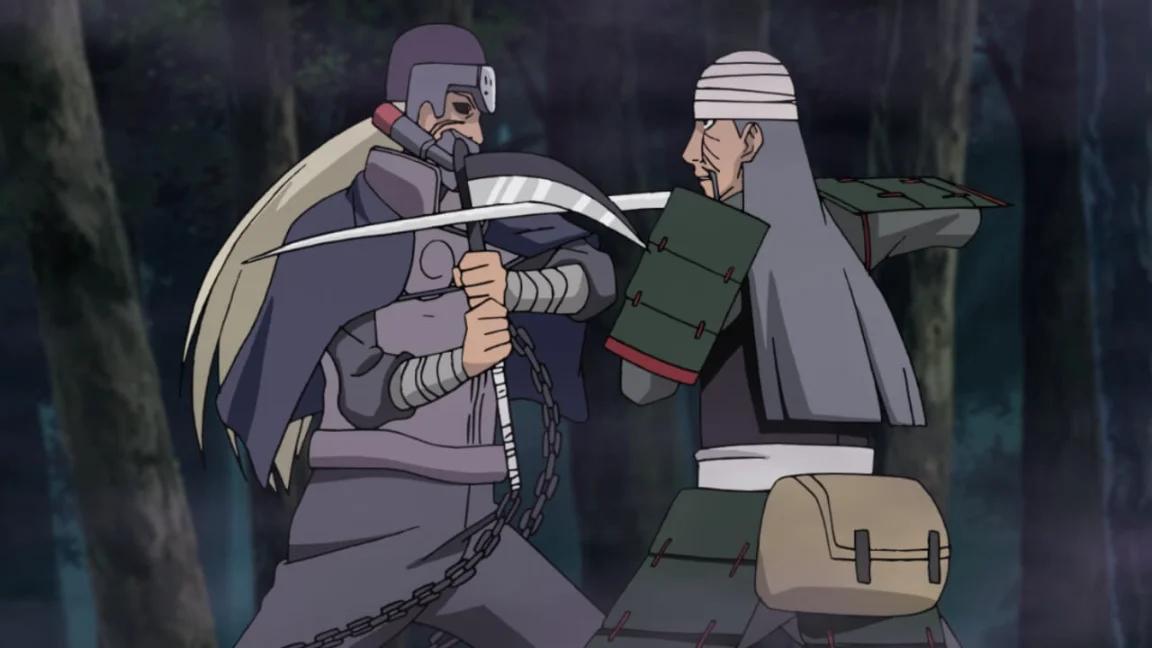
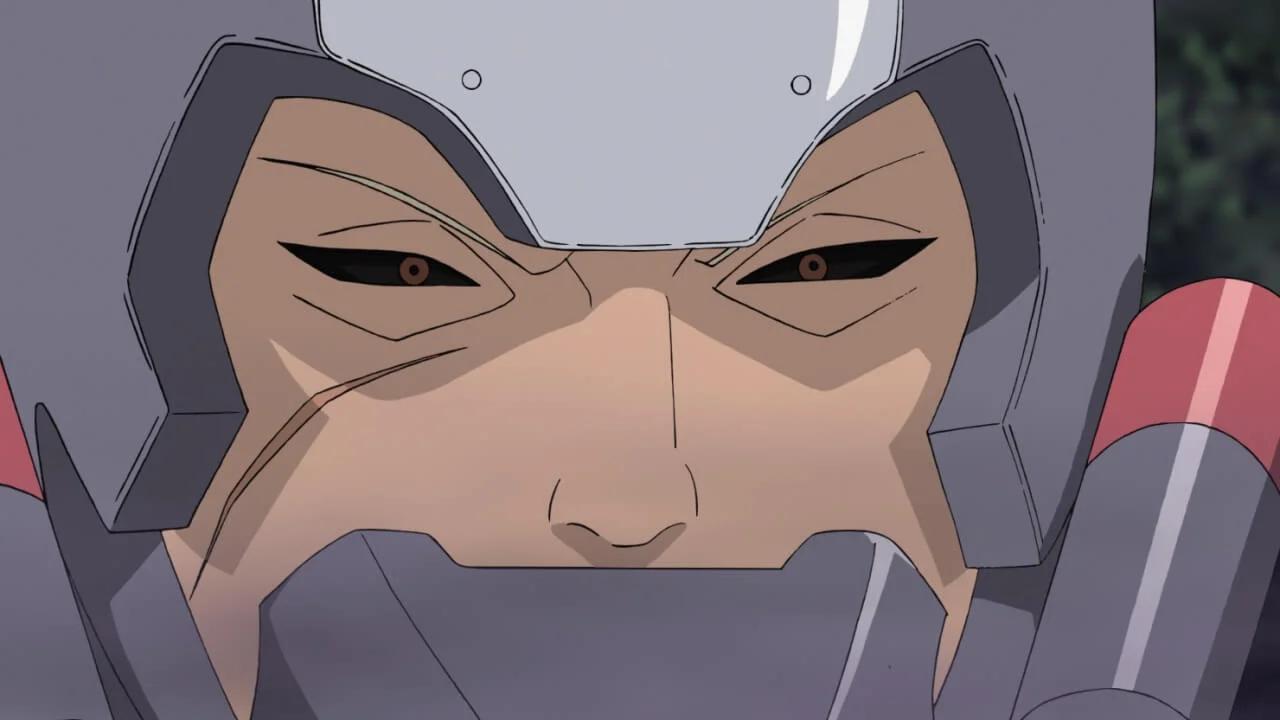
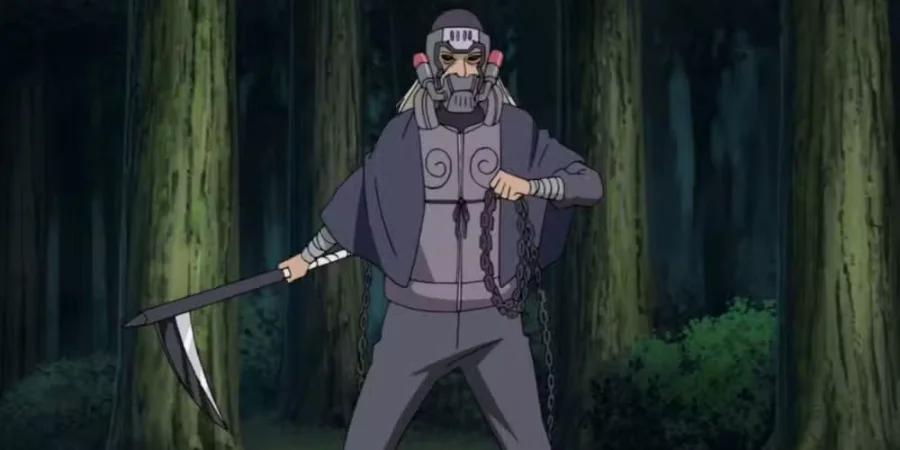
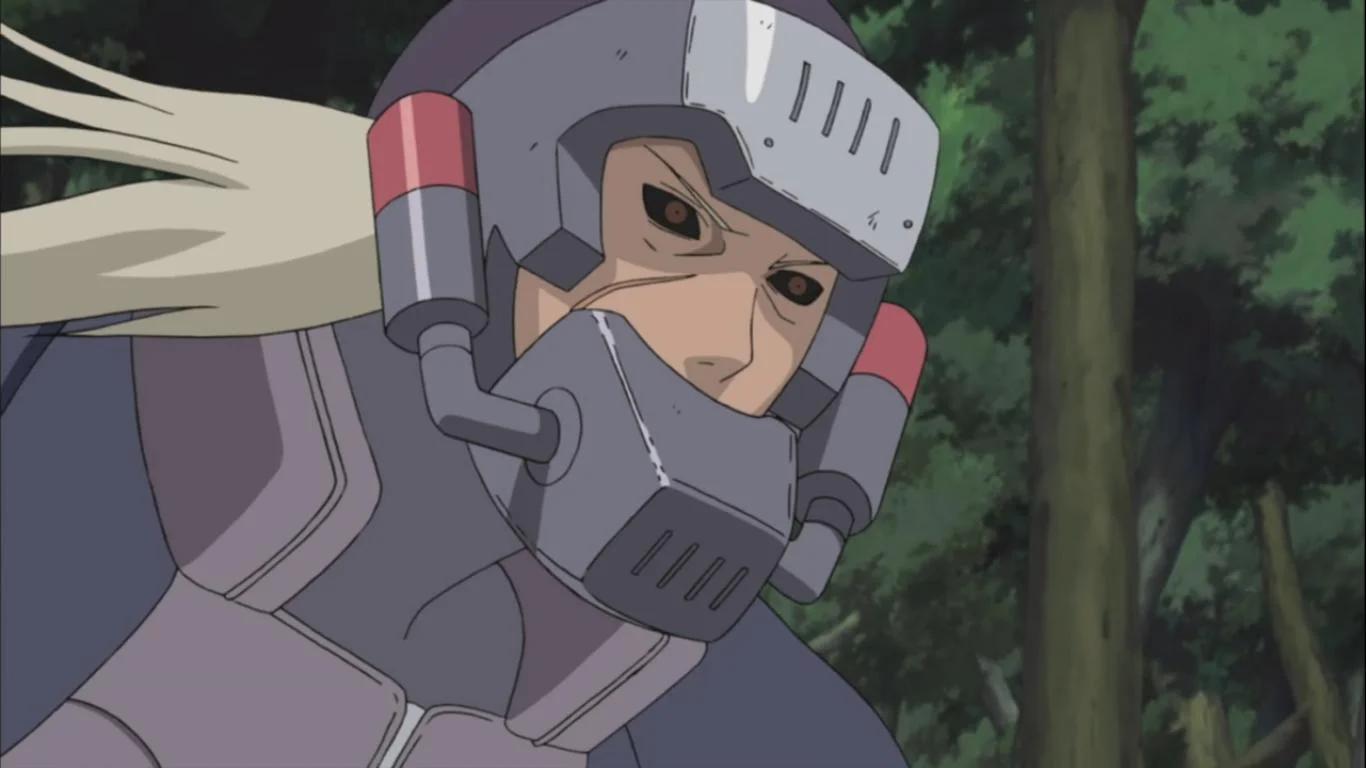
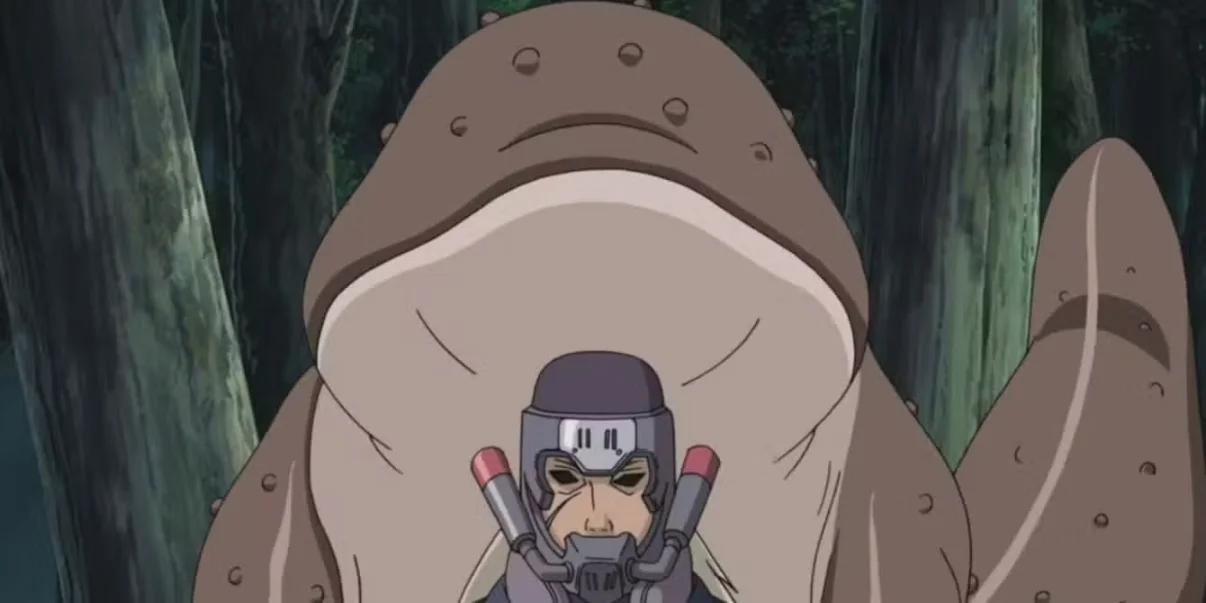
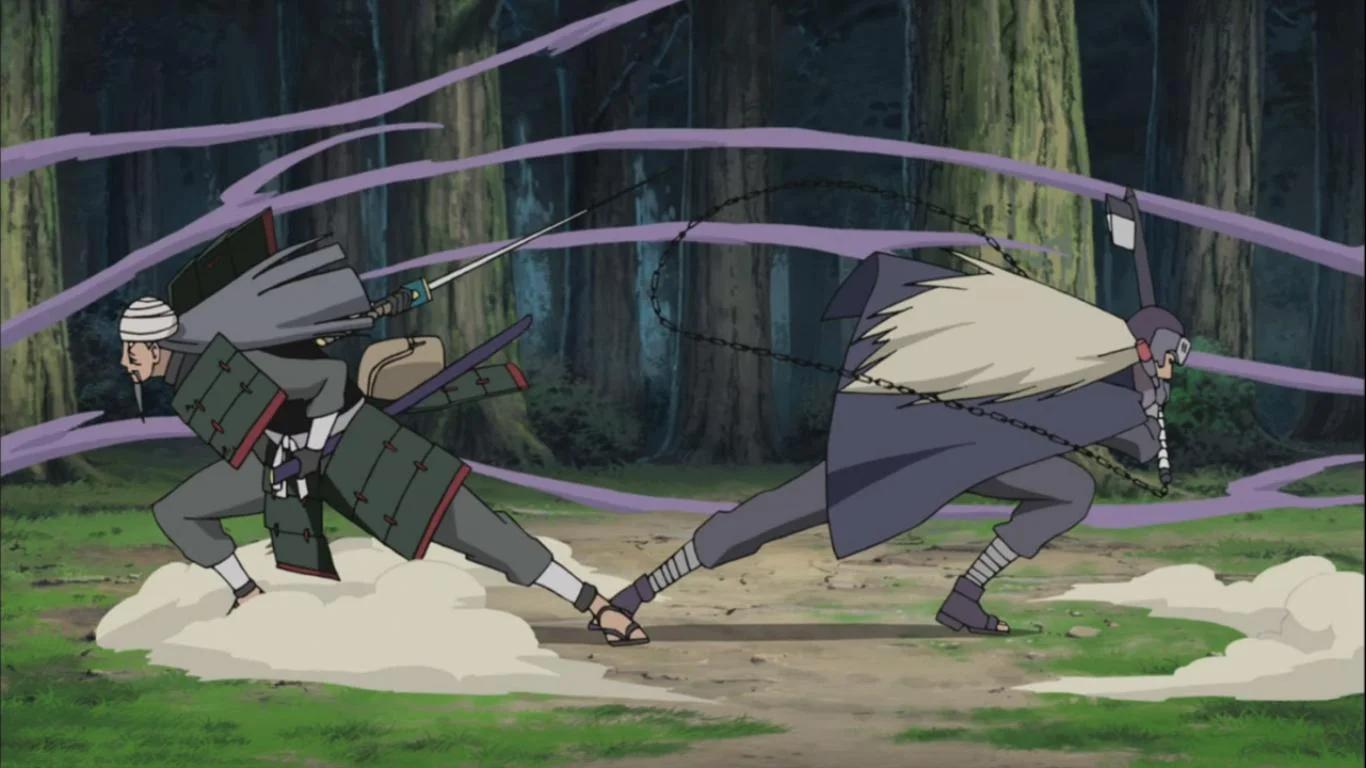
Having been returned from the dead, Hanzo retains the grim bitterness of a man who long ago betrayed his ideals. He despises being forced to fight using a technique that controls his will, and does not hide his irritation. Yet even in this state, a spark of his former greatness still smolders within him: he maintains a sense of his own dignity and does not tolerate weakness. In his battle with Mifune, he initially displays arrogance and contempt toward the samurai he once defeated, but gradually old memories awaken in him—of faith, honor, and what he once was. Hanzo remains a paranoid and a loner, but inside him a struggle rages between the role imposed on him by Kabuto’s control and his own long-buried will. In the end, he demonstrates incredible strength of spirit: he overcomes the restraining talisman and voluntarily commits seppuku, so as not to fight against his will and to pass on his faith to Mifune. This is his final act of purification—he regains the conviction he lost many years ago, and he dies not as a tyrant, but as a warrior.