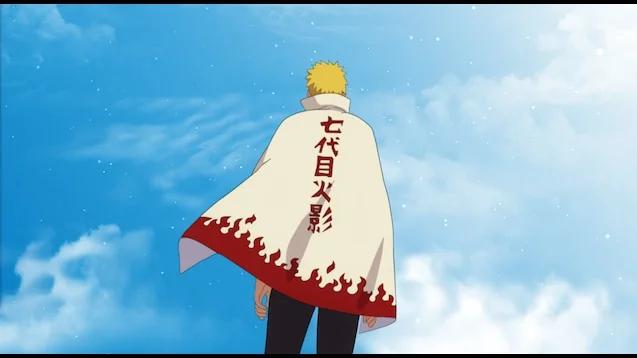

Uzumaki Naruto
Hokage
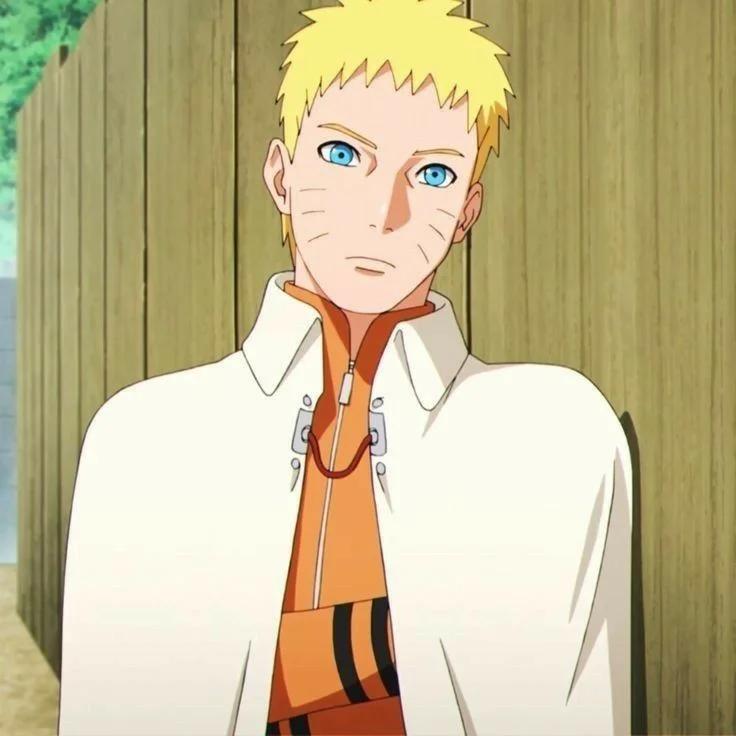
Uzumaki Naruto is a sixteen-year-old genin of Konohagakure and the jinchūriki of Kurama. The main character of the manga and anime "Naruto", dreaming of becoming Hokage. He is distinguished by a huge chakra reserve and persistence, despite poor academic performance and low intellect.
Main information
Full NameHokage
GenderMale
ClanUzumaki
VillageHidden Leaf Village
Age25
Height179
Weight60
TeamUchiha Sasuke
RankHokage
ElementWind, earth, fire, water, lightning, yin-yang
OrganizationKonohagakure
Manga1
Anime1
Characteristics
10
Ninjutsu
▲ +4
7
Genjutsu
▲ +5
10
Taijutsu
▲ +4
8
Intelligence
▲ +4
10
Endurance
▲ +1
10
Speed
▲ +3


Page created by: Dushnerd