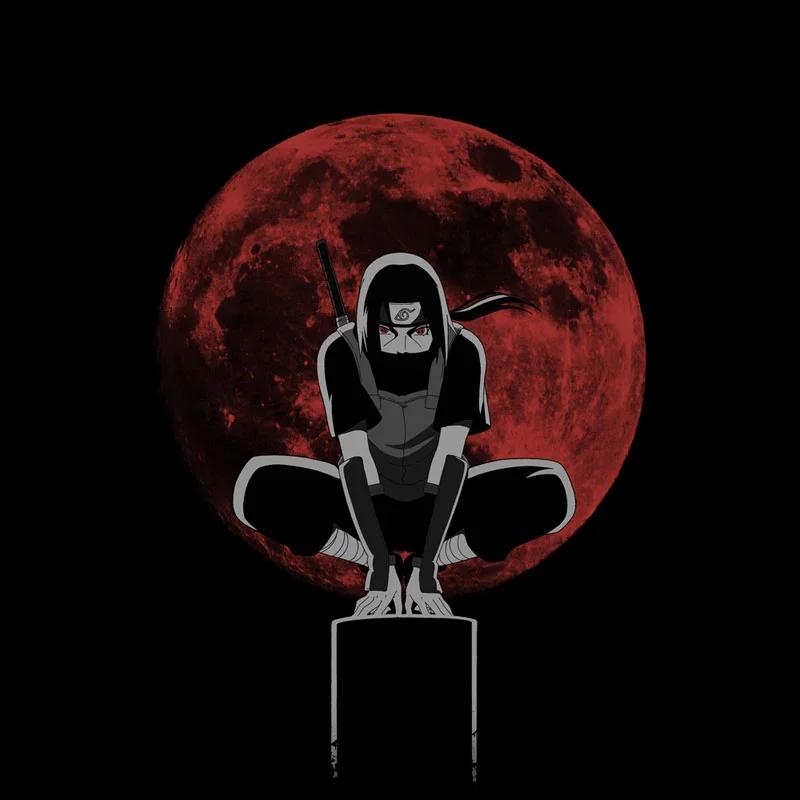
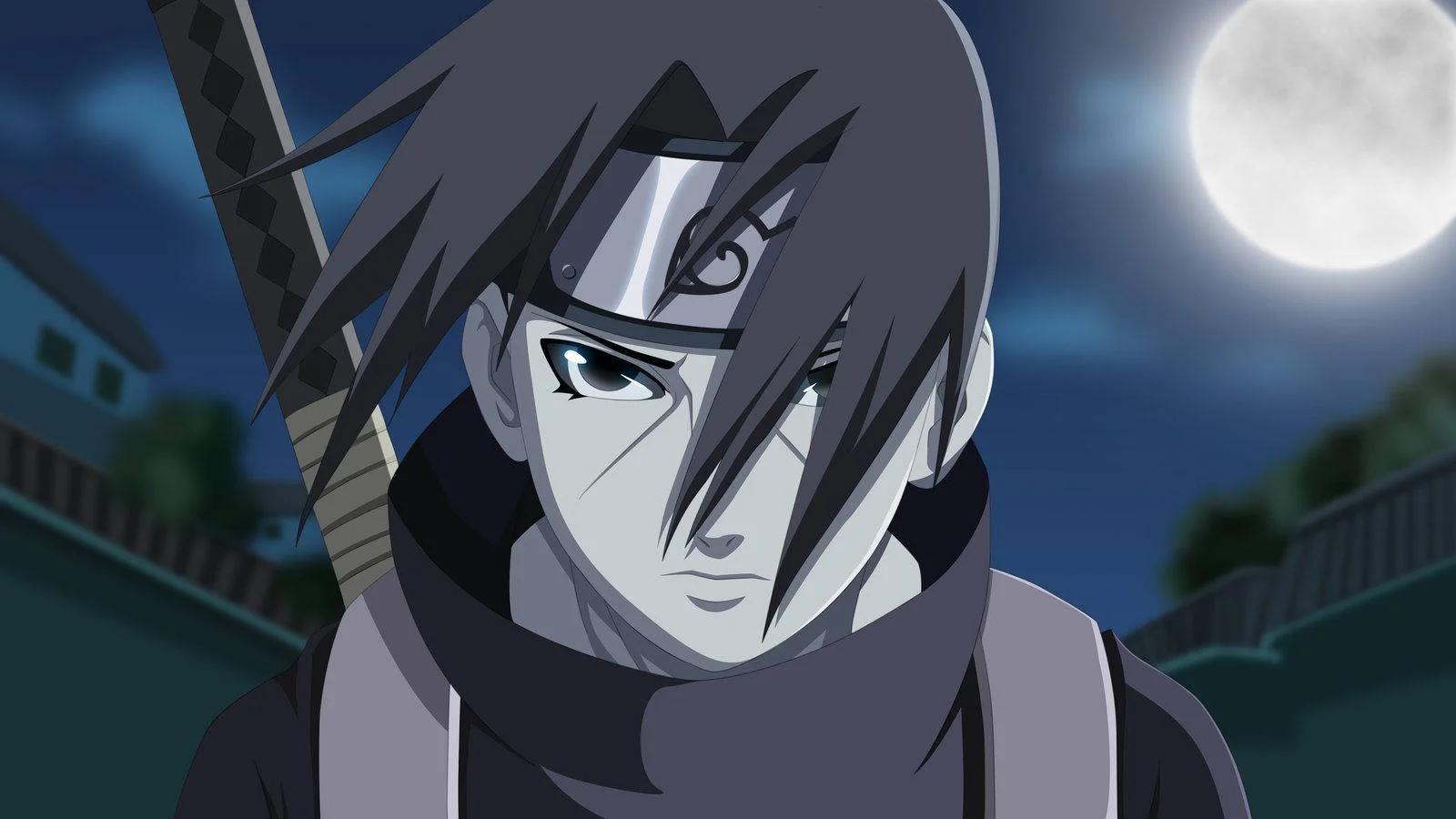
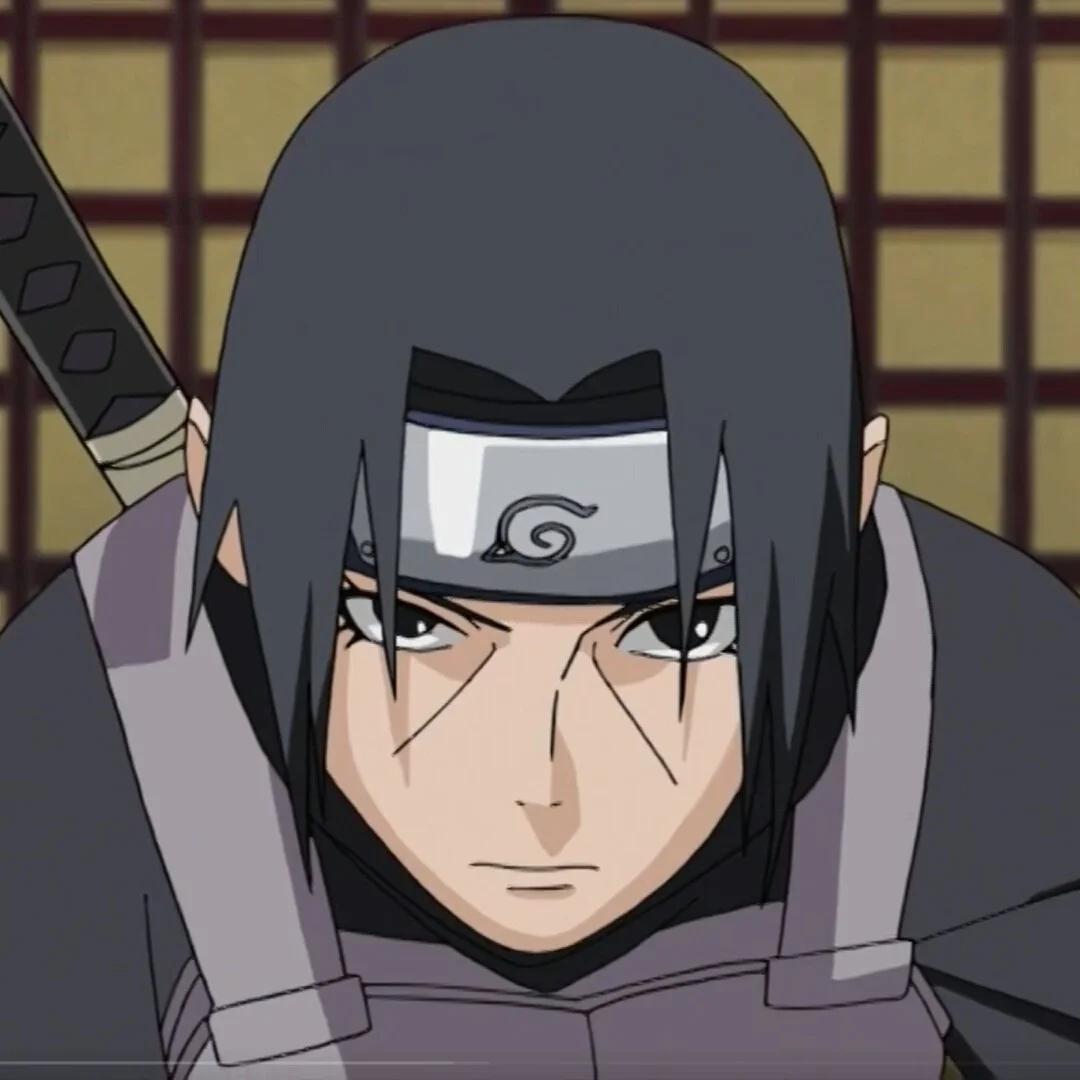
Thirteen-year-old Itachi is a bundle of cold self-control and hidden pain. Behind the flawless mask of ANBU hides a teenager who has already taken upon himself a fate capable of breaking an adult: he knows that sooner or later he will destroy his own clan to save the village. Itachi rarely speaks, even more rarely smiles; his speech is short, precise phrases, his voice even, without inflection. He observes first and leaves last, constantly keeping an internal account of strengths, motives, threats. He considers emotions a weakness that cannot be allowed: when a wave of heat rises in his chest, he runs battle formulas through his mind, forcing his heart to slow down. Behind this coldness, however, hides a living, almost childlike compassion: he remembers the name of each clan he is destined to kill, and whispers forgiveness when no one hears. Itachi does not crave glory nor dream of power; his ideal is a world in which no more children are forced to grow up overnight. He is ready to become a monster so that no one else experiences what he himself has experienced: his mother’s gaze in the final moment, the smell of blood from his native home, the silence after a clan that ceased to exist. At this age he already understands that true strength is the ability to take upon oneself a sin that would break anyone else, and to carry it in solitude while alive.