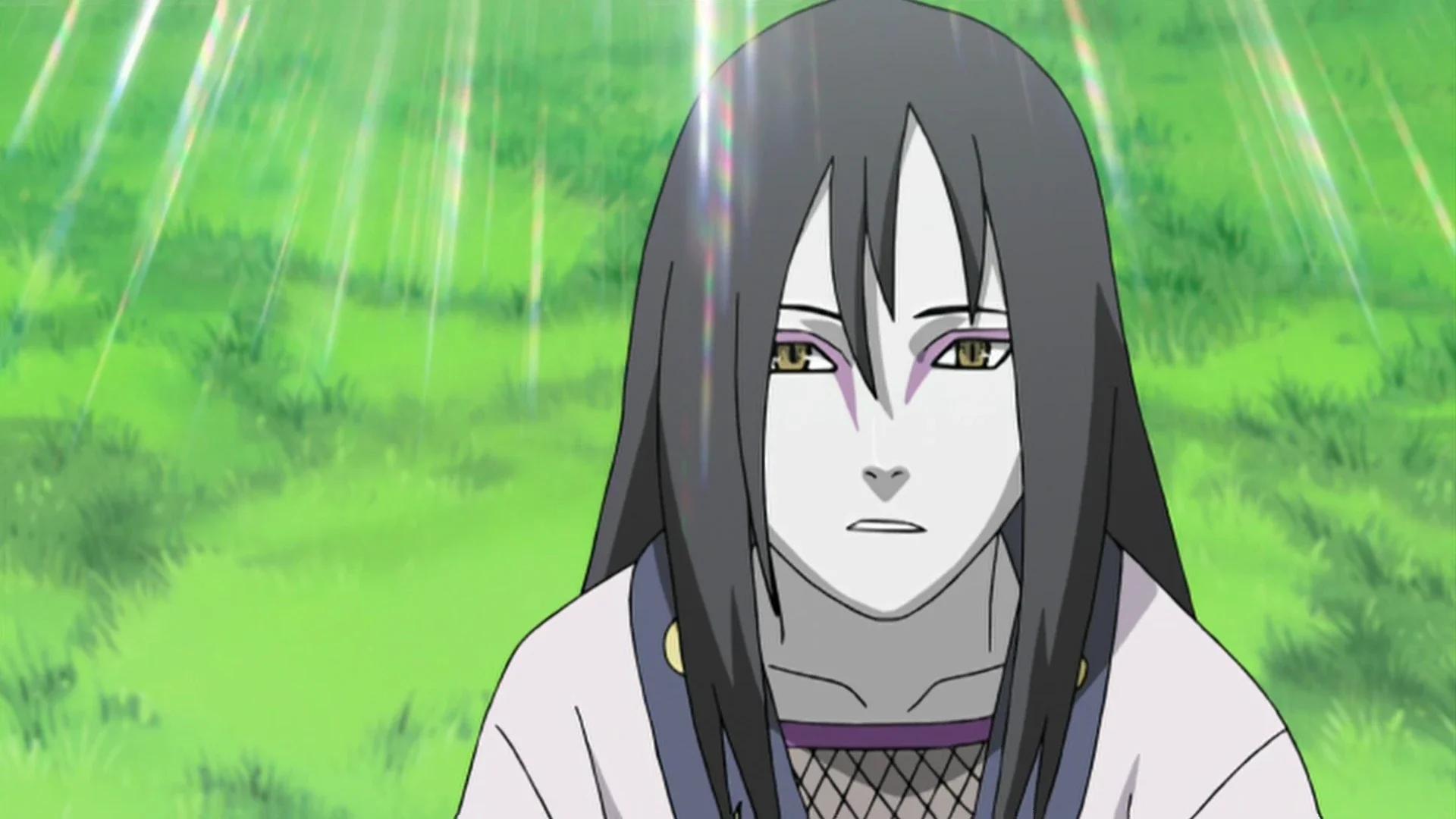
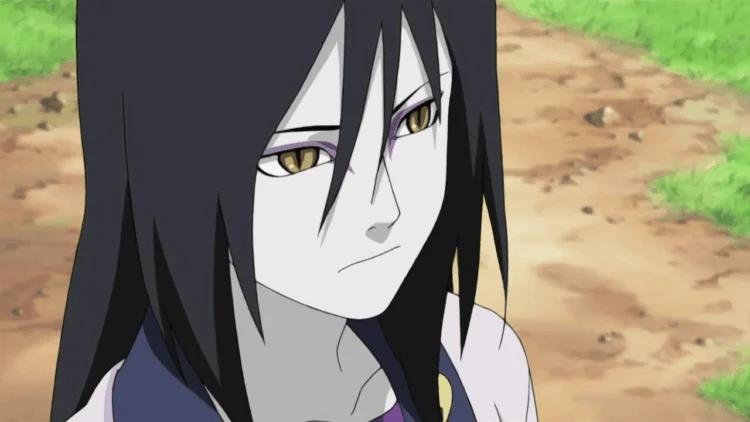
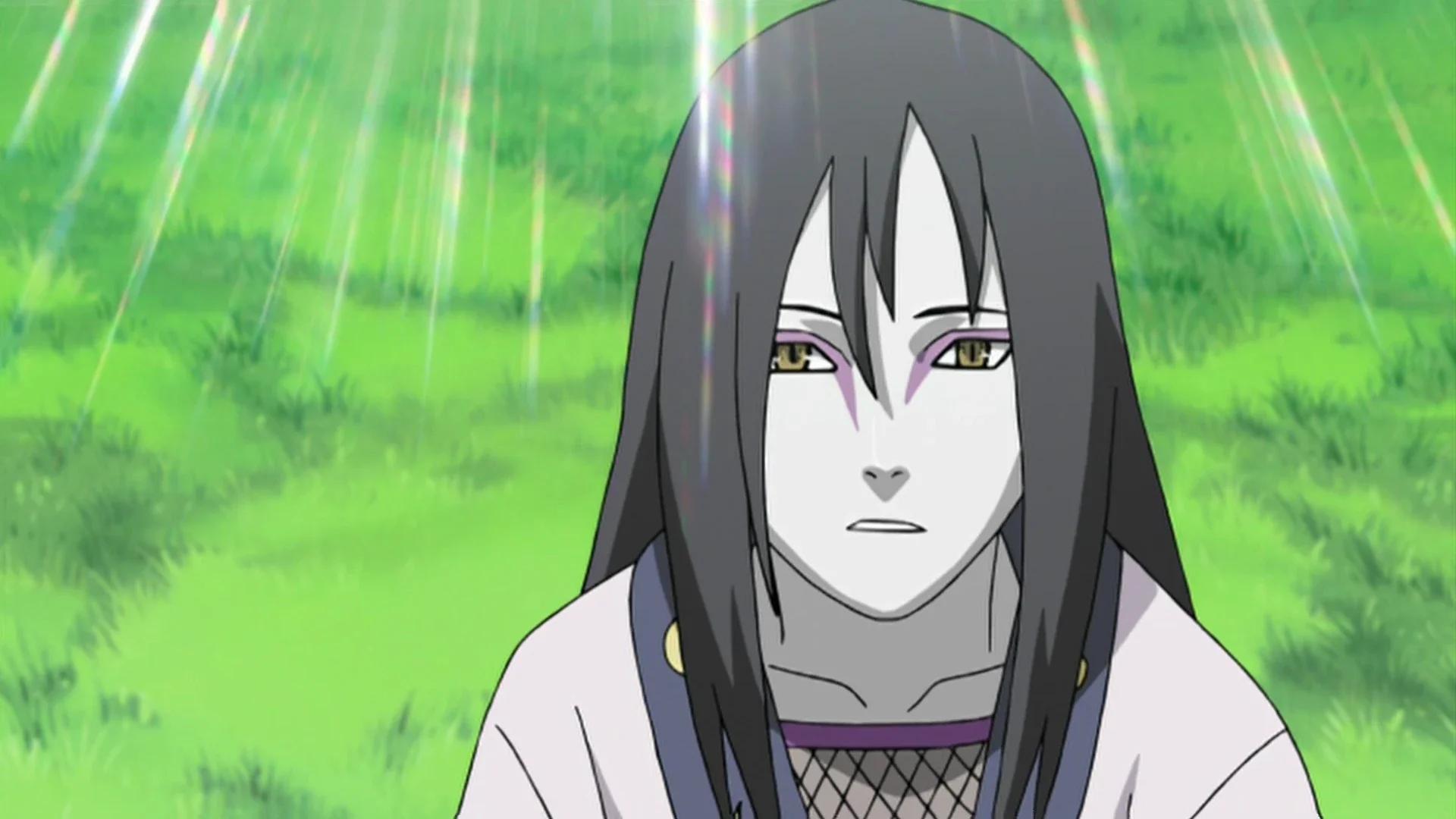
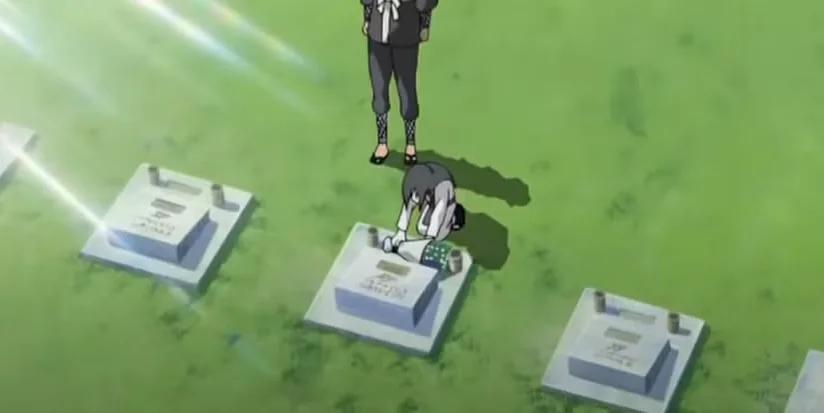
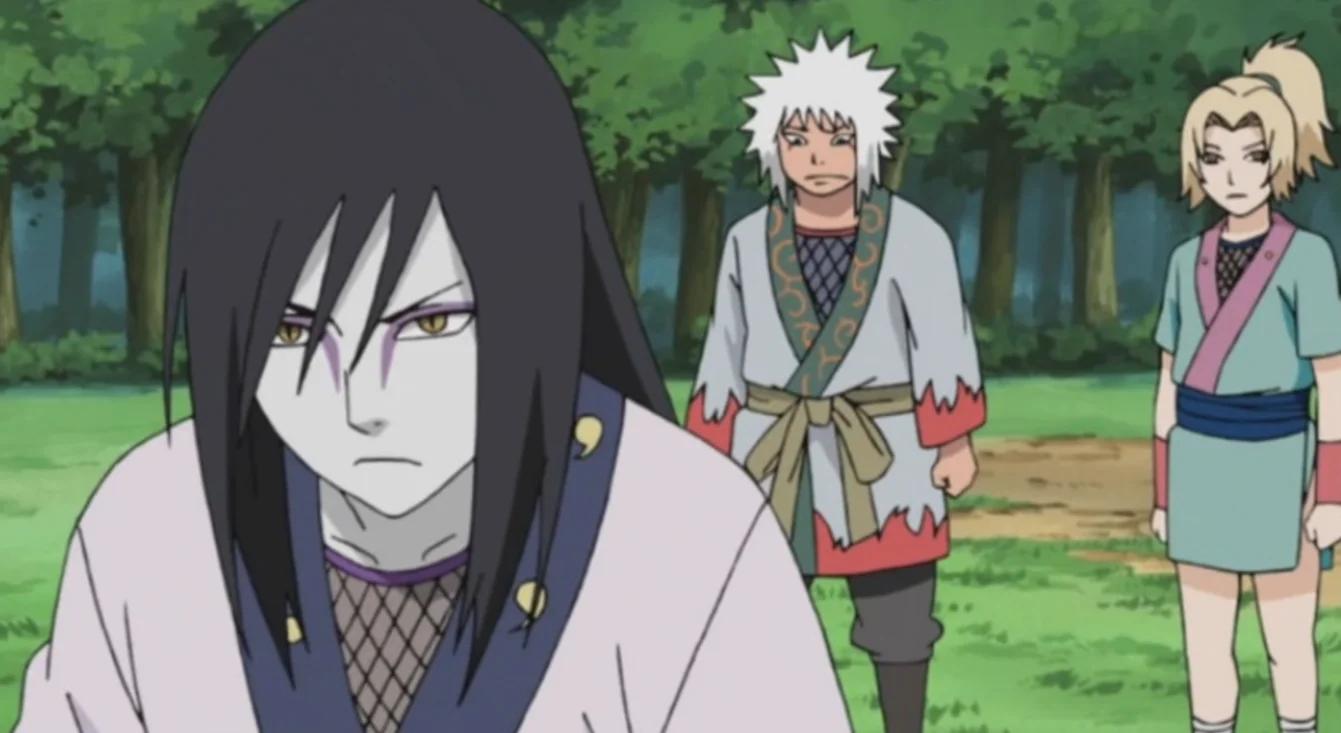
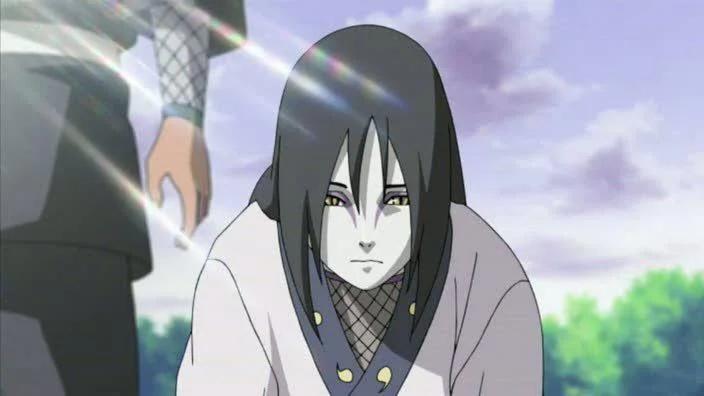
In childhood, Orochimaru already made an impression of being "corrupted" — as Tsunade said, he had been like that from the very beginning. The death of his parents left a deep wound: he became withdrawn, rarely sharing his feelings, but at the same time displayed a childlike interest in questions of life and death. It was precisely during this period that he found a white snake at his parents' grave, and Hiruzen's words that the white snake symbolizes rebirth and luck awakened in him a burning desire to know all the secrets of the world. Jiraiya later suggested that Orochimaru followed this path, trying to dull the pain of loss. Even then he was a genius: he stood out among his peers, quickly mastered techniques, and displayed an analytical mind. At the same time, cruelty and cynicism, unusual for ordinary children, began to show in him — he could calmly assess situations and propose radical solutions (for example, later, during the war, he suggested killing three orphans from Ame to avoid creating extra problems). In the team with Jiraiya and Tsunade, he kept himself detached, but they quickly recognized his superiority in talent. Orochimaru already then believed that for the sake of knowledge one could disregard any norms, although at such a young age this had not yet manifested in open crimes.