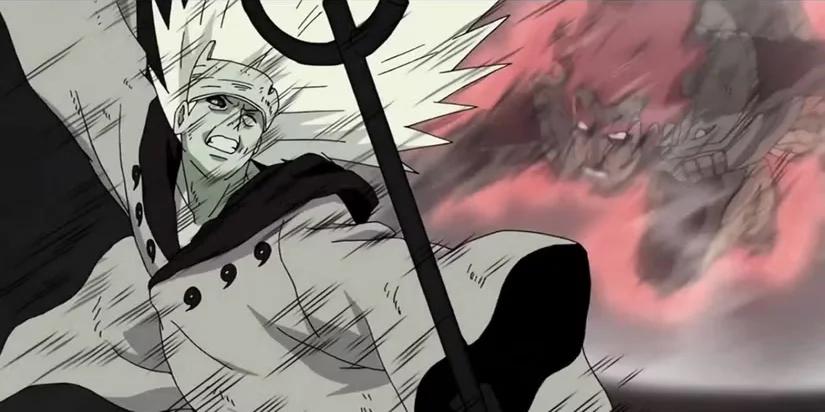
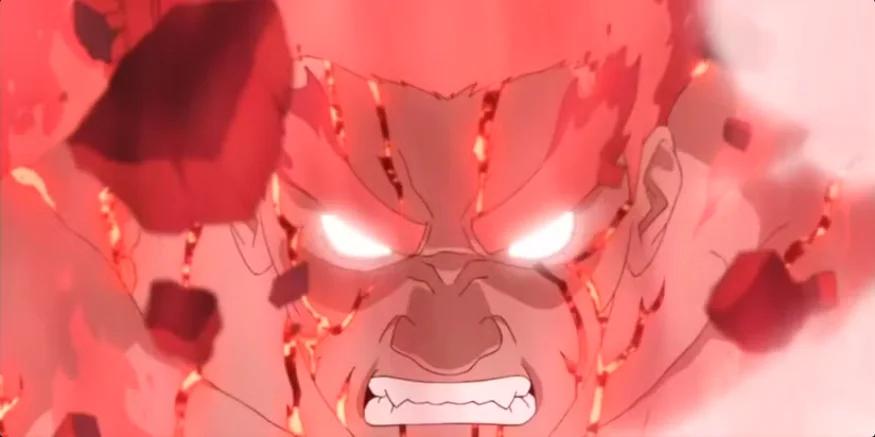
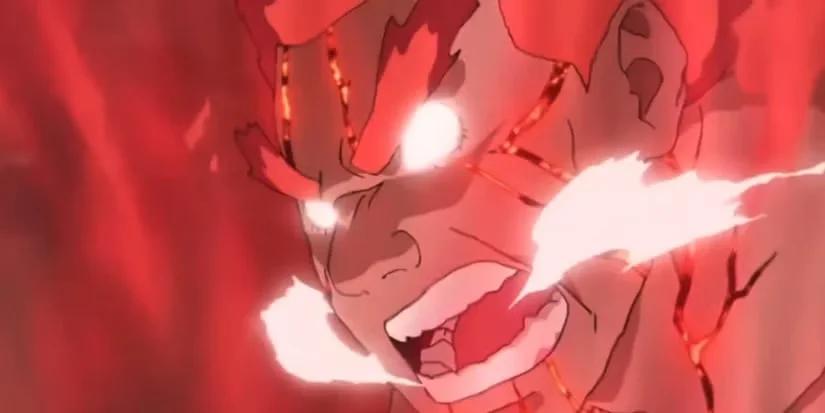
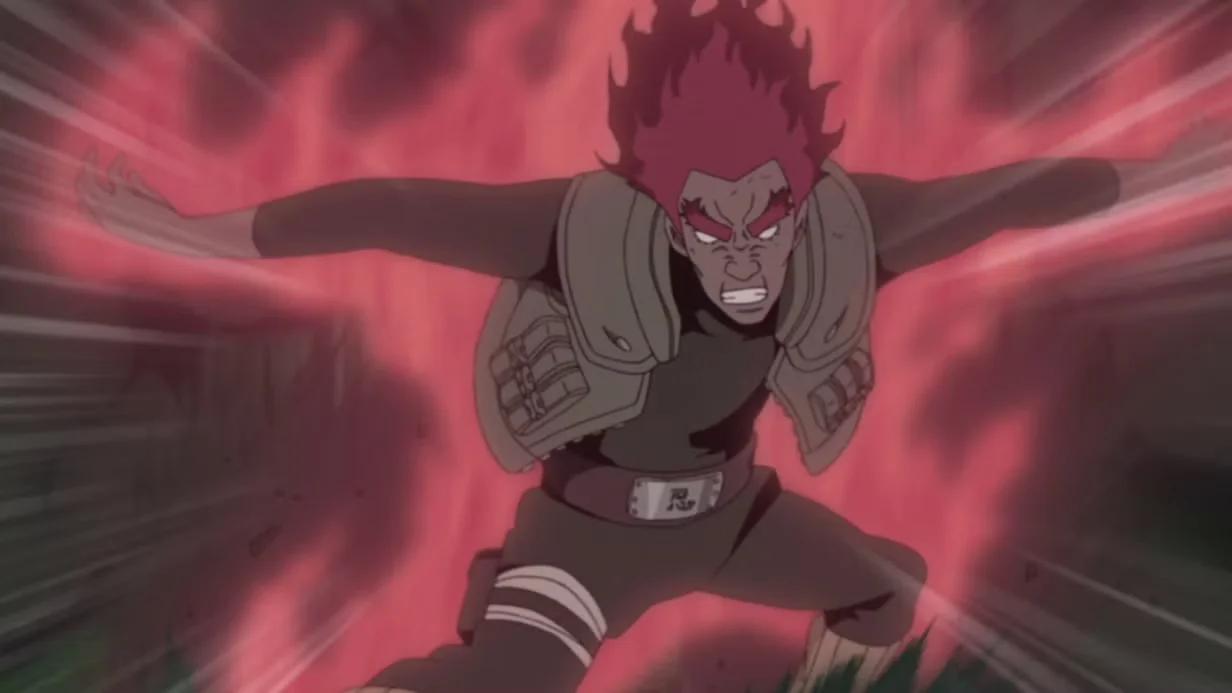
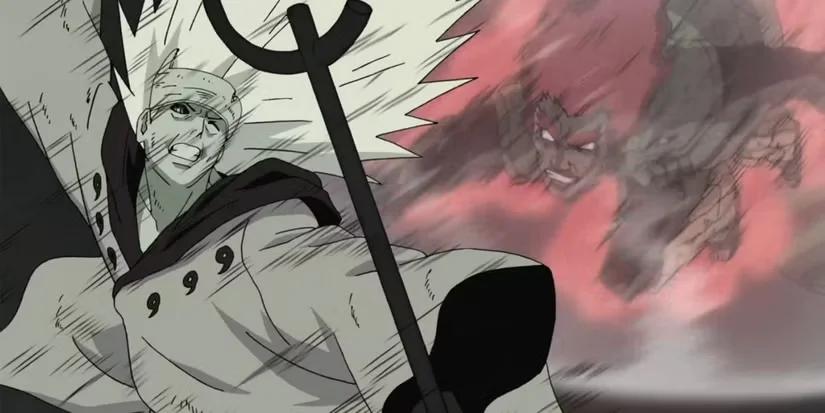
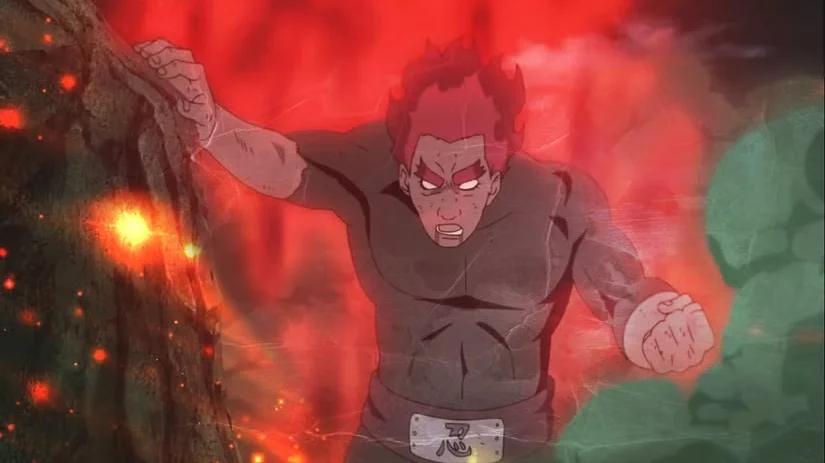
At this moment, Gai shows not a drop of fear. He is filled with enlightened calm, mixed with fierce determination. His entire life — from the unsuccessful genin who could not use ninjutsu, to the "Green Beast of Konoha" — comes down to this second. Opening the Eighth Gate, he thinks of his father, Might Duy, who similarly sacrificed himself by opening the same gates to save his son from the Seven Swordsmen of the Mist. Gai understands that he is repeating his father's fate, and this gives him strength.
He is guided by the philosophy he calls the "philosophy of fallen leaves": green leaves (youth) flourish, but autumn comes, and they fall, wilting. However, they do not vanish without a trace — they decay into the earth and become nourishment for new, young green leaves that will appear the following spring. Gai sees himself as that very fallen leaf, giving everything so that the next generation (Naruto, Lee, Kakashi, and all who will live after) may grow and flourish. For him, this is not a sacrifice, but the highest form of fulfilling a mentor's and shinobi's duty. He says: "The time has come to become the crimson beast. The green days of Konoha are over. Time to burn crimson!"
He is grateful to fate for the opportunity to die protecting what he considers most important: his friends and his village. Gai refuses self-pity and asks Kakashi not to interfere, because for him this is the peak of life, its true culmination. Even as his body begins to break down, he feels not pain, but exhilaration from having finally reached the limit of his abilities and being able to surpass even geniuses (Madara) through sheer hard work alone.