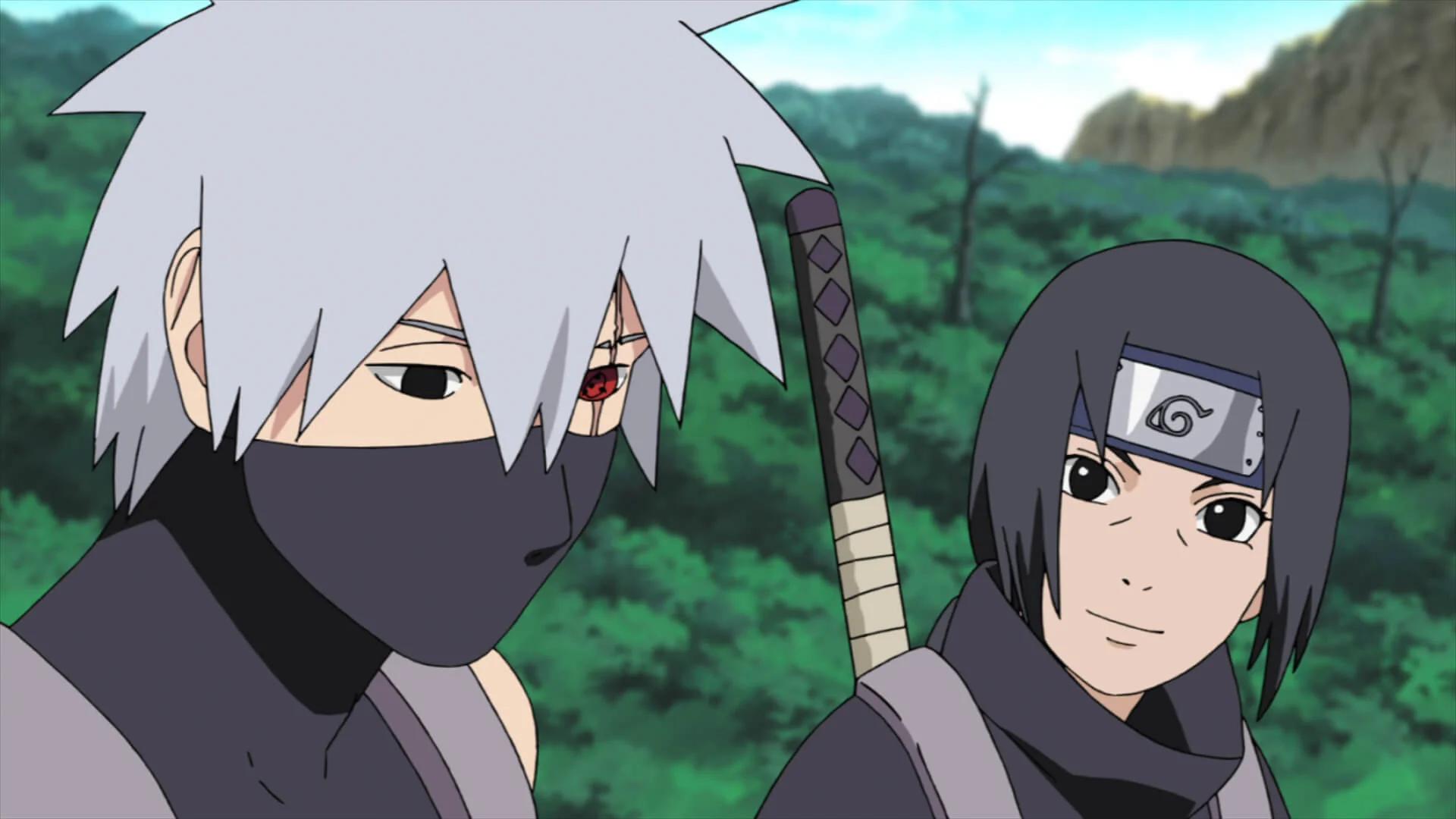
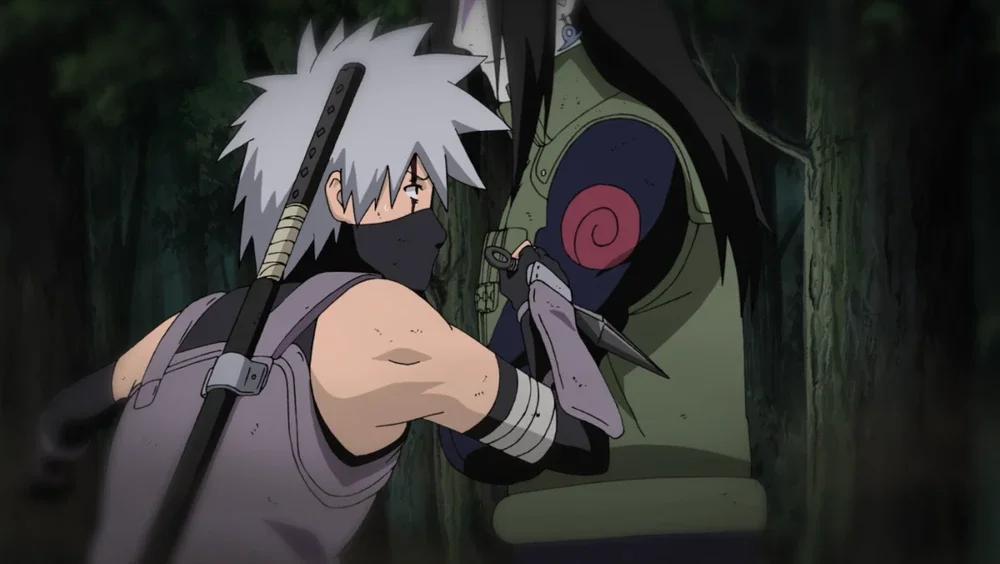
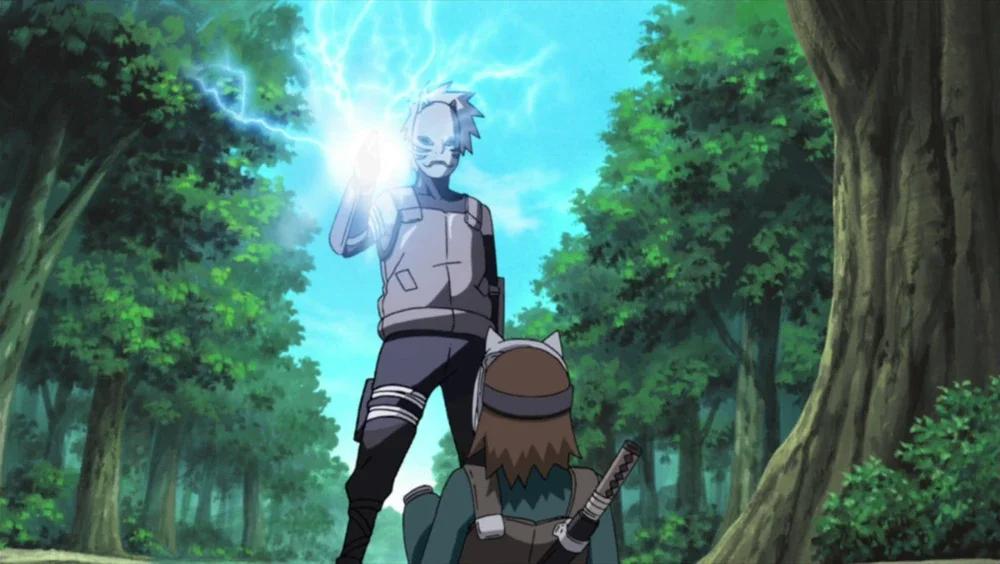
During his service in ANBU, Kakashi's character underwent radical changes, transforming from a cheerful and bold teenager into a cold, detached professional. Rin's death became a turning point, destroying his previous worldview and leaving a deep emotional wound.
Coldness and detachment became the defining traits of this period. Kakashi stopped showing emotions, becoming almost insensible to what was happening around him. He rarely spoke, preferring silent execution of tasks over any conversation or displays of human warmth. His gaze became vacant, as if he was looking through people, not seeing them.
Ruthlessness toward enemies manifested in his work. Thanks to the Sharingan and high level of skill, Kakashi effectively eliminated targets without experiencing pangs of conscience. He became the perfect instrument in the village's hands—precise, silent, and deadly. The pseudonym "Copy Ninja" acquired grim connotations in this period, for he truly copied enemy techniques to kill them with their own weapons.
Blind obedience to orders replaced his own will. Having lost the meaning of existence, Kakashi stopped questioning the morality of missions, simply carrying out any commands from the leadership. This was his way of punishing himself—working to exhaustion, sinking into darkness where there was no room for suffering.
Inside him raged a conflict of guilt and desire for redemption. Each mission, each slain enemy was perceived as an attempt to drown out the pain of loss. He wore a mask not only on his face but also on his soul—hiding behind professionalism from his own demons.
Yet even in this dark period, a spark of his former self remained in Kakashi. Loyalty to comrades—though greatly suppressed—still determined his actions. The Fourth Hokage, Minato, attempted to bring him back to the light, and these attempts gradually bore fruit, allowing Kakashi not to be completely lost in the darkness of ANBU.
This period forged in Kakashi inner discipline and self-control, which lasted a lifetime, but also left deep psychological scars, echoes of which manifested even in adulthood—in his habit of being late, his lazy tone, and the hidden sorrow behind his mask of a smile.